
Chief Sitting Bull
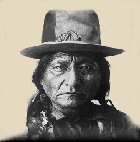
I am here by the will of the Great Spirit, and by his will I am chief.
I know Great Spirit is looking down upon me from above, and will hear what I say
The earth has received the embrace of the sun and we shall see the results of that love.
He put in your heart certain wishes and plans; in my heart, he put other different desires.
In my early days, I was eager to learn and to do things, and therefore I learned quickly.
Each man is good in the sight of the Great Spirit.
It is not necessary for eagles to be crows.
Now that we are poor, we are free. No white man controls our footsteps.
If we must die, we die defending our rights.
What white man can say I ever stole his land or a penny of his money? Yet they say that I am a thief.
What white woman, however lonely, was ever my captive or insulted by me? Yet they say I am a bad Indian.
What white man has ever seen me drunk? .
Who has ever come to me hungry and left me unfed?.
Who has seen me beat my wives or abuse my children? What law have I broken?.
Is it wrong for me to love my own? Is it wicked for me because my skin is red?
Because I am Sioux?
Because I was born where my father lived?
Because I would die for my people and my country?
God made me an Indian.
I want to tell you that if the Great Spirit had chosen anyone to be the chief of this country, it is myself.
When I was a boy, the Sioux owned the world. The sun rose and set on their land; they sent ten thousand men to battle.
Where are the warriors today? Who slew them? Where are our lands?
Who owns them?
You think I am a fool; but you are a greater fool than I am.
If the Great Spirit had desired me to be a white man, he would have made me so in the first place.
I was very sorry when I found out that your intentions were good and not what I supposed they were.
If a man loses anything and goes back and looks carefully for it, he will find it.
Curly Chief
Pawnee
This story is a true account of how Curly Chief, a Pawnee Chief, rejected a white treaty:
"Keep Your Presents"
"I heard that long ago there was a time when there were no people in this country except Indians. After that, the people began to hear of men that had white skins; they had been seen far to the east. Before I was born, they came out to our country and visited us. The man who came was from the Government. He wanted to make a treaty with us, and to give us presents, blankets, and guns, and flint and steel, and knives."
The Head Chief told him that we needed none of these things. He said, "We have our buffalo and our corn.
These things the Ruler gave to us, and they are all that we need. See this robe. This keeps me warm in winter. I need no blanket." The white men had with them some cattle, and the Pawnee Chief said, "Lead out a heifer here on the prairie," and shot her through behind the shoulder with his arrow, and she fell down and died. Then the Chief said "Will not my arrow kill? I do not need your guns." Then he took his stone knife and skinned the heifer, and cut off a piece of fat meat. When he had done this, he said, "Why should I take your knives? The Ruler has given me something to cut with." Then taking the fire sticks, he kindled a fire to roast the meat, and while it was cooking, he spoke again and said, "You see, my brother, that the Ruler has given us all that we need; the buffalo for food and clothing, the corn to eat with our dried meat; bows, arrows, knives and hoes; all the implements which we need for killing meat, or for cultivating the ground. Now go back to the country from whence you came."
"We do not want your presents, and we do not want you to come to our country."
Taken from the book Native American
Black Elk
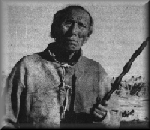
Oglala Sioux
Holy Man 1863-1950
You have noticed that everything an Indian does is in a circle, and that is because the Power of the World always works in circles, and everything tries to be round. The Sky is round, and I have heard that the earth is round like a ball, and so are all the stars. The wind, in its greatest power, whirls. Birds make their nest in circles, for theirs is the same religion as ours. Even the seasons form a great circle in their changing, and always come back again to where they were. The life of a man is a circle from childhood to childhood, and so it is in everything where power moves.
Roy Cypress
! A Seminole Hunter Without Peer !
Thanks A Million Roy--Ochche Chobe
The Seminole Wars
The prosperity of the Seminoles disturbed former slaveholders in the U.S. In 1812, Seminoles learned that a group of Georgians who called themselves "Patriots" were plotting to attack Seminole settlements. The Seminoles got the jump on these potential invaders by attacking them on their plantations. This action infuriated the government and as a result, American troops led by Andrew Jackson crossed into Florida and destroyed towns in northern Alachua County.
The Second Seminole War

Unfortunately for the Seminoles, Spain ceded Florida to the United States in 1819. This gave Americans wanting to settle the lush state an opportunity. Though they got the Seminoles to agree to move onto a reservation in the state's center, their greed was insatiable. The settlers wanted more.
On May 28, 1830, the settlers got the backing they wanted from the U.S. government. The Indian Removal Act was passed by Congress at President Andrew Jackson's urging. The Indian Removal Act gave the government the authority to remove all the Five Civilized Tribes east of the Mississippi to the Indian Territory in Arkansas and Oklahoma. While the bill specified that the consent of the Indians had to be obtained and compensation dispersed to the tribes, the reality of the situation was that those who did not go peacefully were forced to go anyway.
The Choctaws left for Indian Territory in 1831, the Creeks in 1835 and the Chickasaws in 1837. Some were deported in manacles. The Cherokees forestalled removal by using their legal knowledge to sue the government. They argued their case well. Supreme Court Justice John Marshall agreed with the Cherokees' viewpoint. Jackson defiantly stated, "John Marshall has made his decision, now let him enforce it." So, the Cherokees too were forced off their land and onto the "Trail of Tears," a horrendous march to the Indian Territory. The "Trail of Tears" claimed thousands of lives including one-fourth of the Cherokee Tribe due to hunger, cold, disease and sorrow.
Only one group of Indians -- the Seminoles -- successfully resisted removal and they did so fiercely. Their resistance to removal brought about the Second Seminole War. It began on
December 28, 1835, when a column of 108 soldiers led by Major Dade was massacred by Seminole warriors at the Dade Battle in Sumpter County. Just four days later, on December 31, the
famous Seminole leader Osceola (pronounced as Asi-Yaholo) with only 250 warriors attacked a column of 750 men under General Duncan Clinch in the Battle of Withlacoochee in Citrus County. He soundly defeated the soldiers. Osceola promised to fight the white invaders "till the last drop of Seminole blood has moistened the dust of my hunting ground."
Osceola
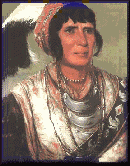
Seminole Leader
Frustrated by Osceola's continuing successes, General Jesup resorted to deception, luring Osceola and fellow Seminoles into a trap under the guise of a meeting on peace. Osceola was captured and imprisoned, where he contracted a fatal illness and died. However, 19 of his fellow prisoners, including a daring leader named Wild Cat and John Horse, a Black Seminole, escaped. These two rode many miles together in a friendship that lasted a lifetime. After their escape, Wild Cat and John Horse made their way to friends who helped them by giving them supplies. A force of 1,050 led by General Zachary Taylor pursued the escaped prisoners until they were met by hundreds of Seminoles lying in wait at Lake Okeechobee (a Seminole word which means "plenty big water" in the state's center. The withering fire delivered by the Seminoles under the leadership of Sam Jones, Alligator and Wildcat (Coachoochee) at the Battle of Okeechobee ended in resounding defeat on Christmas Day 1838, for the U.S. forces: 28 U.S. dead and 112 wounded. Only 10 Seminoles died in the battle.
The Battle of Loxahatchee, waged in Palm Beach County in January of 1838, resulted in the defeat and surrender of a large group of Indians. The Second Seminole War, which dragged on until 1842, cost the United States the lives of 1,500 men and over $20 million. Most of the Seminole Nation, including some 500 Black Seminoles, were relocated to the Indian Territory.
Around 500 Seminoles remained in Florida, managing to hide in the Everglades, moving ever southward into areas where white men dared not venture. Though leaders such as Wild Cat, John Horse and others met with President Polk for peace talks in the nation's capital, the Seminoles' resistance did not fade.
War broke out again in 1855 when a military survey party was attacked by Chief Billy Bowlegs in Collier County. The Third Seminole War lasted until 1858. The few remaining Seminoles who lived in the Everglades traded skins and hides at trading posts and raised cattle.
Go to "Great Chiefs 3
Return to Main Menu
I am here by the will of the Great Spirit, and by his will I am chief. I know Great Spirit is looking down upon me from above, and will hear what I say The earth has received the embrace of the sun and we shall see the results of that love. He put in your heart certain wishes and plans; in my heart, he put other different desires. Each man is good in the sight of the Great Spirit. It is not necessary for eagles to be crows. If we must die, we die defending our rights. What white man can say I ever stole his land or a penny of his money? Yet they say that I am a thief. What white woman, however lonely, was ever my captive or insulted by me? Yet they say I am a bad Indian. What white man has ever seen me drunk? . Who has ever come to me hungry and left me unfed?. Who has seen me beat my wives or abuse my children? What law have I broken?. Is it wrong for me to love my own? Is it wicked for me because my skin is red? Because I am Sioux? Because I was born where my father lived? Because I would die for my people and my country? God made me an Indian. I want to tell you that if the Great Spirit had chosen anyone to be the chief of this country, it is myself. When I was a boy, the Sioux owned the world. The sun rose and set on their land; they sent ten thousand men to battle. Where are the warriors today? Who slew them? Where are our lands? Who owns them? You think I am a fool; but you are a greater fool than I am. If the Great Spirit had desired me to be a white man, he would have made me so in the first place. I was very sorry when I found out that your intentions were good and not what I supposed they were. If a man loses anything and goes back and looks carefully for it, he will find it.
In my early days, I was eager to learn and to do things, and therefore I learned quickly.
Now that we are poor, we are free. No white man controls our footsteps.
Curly Chief
Pawnee
This story is a true account of how Curly Chief, a Pawnee Chief, rejected a white treaty:
"Keep Your Presents"
"I heard that long ago there was a time when there were no people in this country except Indians. After that, the people began to hear of men that had white skins; they had been seen far to the east. Before I was born, they came out to our country and visited us. The man who came was from the Government. He wanted to make a treaty with us, and to give us presents, blankets, and guns, and flint and steel, and knives."
The Head Chief told him that we needed none of these things. He said, "We have our buffalo and our corn.
These things the Ruler gave to us, and they are all that we need. See this robe. This keeps me warm in winter. I need no blanket." The white men had with them some cattle, and the Pawnee Chief said, "Lead out a heifer here on the prairie," and shot her through behind the shoulder with his arrow, and she fell down and died. Then the Chief said "Will not my arrow kill? I do not need your guns." Then he took his stone knife and skinned the heifer, and cut off a piece of fat meat. When he had done this, he said, "Why should I take your knives? The Ruler has given me something to cut with." Then taking the fire sticks, he kindled a fire to roast the meat, and while it was cooking, he spoke again and said, "You see, my brother, that the Ruler has given us all that we need; the buffalo for food and clothing, the corn to eat with our dried meat; bows, arrows, knives and hoes; all the implements which we need for killing meat, or for cultivating the ground. Now go back to the country from whence you came."
"We do not want your presents, and we do not want you to come to our country."
Taken from the book Native American
Black Elk
Oglala Sioux
Holy Man 1863-1950
You have noticed that everything an Indian does is in a circle, and that is because the Power of the World always works in circles, and everything tries to be round. The Sky is round, and I have heard that the earth is round like a ball, and so are all the stars. The wind, in its greatest power, whirls. Birds make their nest in circles, for theirs is the same religion as ours. Even the seasons form a great circle in their changing, and always come back again to where they were. The life of a man is a circle from childhood to childhood, and so it is in everything where power moves.
Roy Cypress
! A Seminole Hunter Without Peer !
Thanks A Million Roy--Ochche Chobe
The Seminole Wars
The prosperity of the Seminoles disturbed former slaveholders in the U.S. In 1812, Seminoles learned that a group of Georgians who called themselves "Patriots" were plotting to attack Seminole settlements. The Seminoles got the jump on these potential invaders by attacking them on their plantations. This action infuriated the government and as a result, American troops led by Andrew Jackson crossed into Florida and destroyed towns in northern Alachua County.
The Second Seminole War
Unfortunately for the Seminoles, Spain ceded Florida to the United States in 1819. This gave Americans wanting to settle the lush state an opportunity. Though they got the Seminoles to agree to move onto a reservation in the state's center, their greed was insatiable. The settlers wanted more.
On May 28, 1830, the settlers got the backing they wanted from the U.S. government. The Indian Removal Act was passed by Congress at President Andrew Jackson's urging. The Indian Removal Act gave the government the authority to remove all the Five Civilized Tribes east of the Mississippi to the Indian Territory in Arkansas and Oklahoma. While the bill specified that the consent of the Indians had to be obtained and compensation dispersed to the tribes, the reality of the situation was that those who did not go peacefully were forced to go anyway.
The Choctaws left for Indian Territory in 1831, the Creeks in 1835 and the Chickasaws in 1837. Some were deported in manacles. The Cherokees forestalled removal by using their legal knowledge to sue the government. They argued their case well. Supreme Court Justice John Marshall agreed with the Cherokees' viewpoint. Jackson defiantly stated, "John Marshall has made his decision, now let him enforce it." So, the Cherokees too were forced off their land and onto the "Trail of Tears," a horrendous march to the Indian Territory. The "Trail of Tears" claimed thousands of lives including one-fourth of the Cherokee Tribe due to hunger, cold, disease and sorrow.
Only one group of Indians -- the Seminoles -- successfully resisted removal and they did so fiercely. Their resistance to removal brought about the Second Seminole War. It began on
December 28, 1835, when a column of 108 soldiers led by Major Dade was massacred by Seminole warriors at the Dade Battle in Sumpter County. Just four days later, on December 31, the
famous Seminole leader Osceola (pronounced as Asi-Yaholo) with only 250 warriors attacked a column of 750 men under General Duncan Clinch in the Battle of Withlacoochee in Citrus County. He soundly defeated the soldiers. Osceola promised to fight the white invaders "till the last drop of Seminole blood has moistened the dust of my hunting ground."
Osceola
Seminole Leader
Frustrated by Osceola's continuing successes, General Jesup resorted to deception, luring Osceola and fellow Seminoles into a trap under the guise of a meeting on peace. Osceola was captured and imprisoned, where he contracted a fatal illness and died. However, 19 of his fellow prisoners, including a daring leader named Wild Cat and John Horse, a Black Seminole, escaped. These two rode many miles together in a friendship that lasted a lifetime. After their escape, Wild Cat and John Horse made their way to friends who helped them by giving them supplies. A force of 1,050 led by General Zachary Taylor pursued the escaped prisoners until they were met by hundreds of Seminoles lying in wait at Lake Okeechobee (a Seminole word which means "plenty big water" in the state's center. The withering fire delivered by the Seminoles under the leadership of Sam Jones, Alligator and Wildcat (Coachoochee) at the Battle of Okeechobee ended in resounding defeat on Christmas Day 1838, for the U.S. forces: 28 U.S. dead and 112 wounded. Only 10 Seminoles died in the battle.
The Battle of Loxahatchee, waged in Palm Beach County in January of 1838, resulted in the defeat and surrender of a large group of Indians. The Second Seminole War, which dragged on until 1842, cost the United States the lives of 1,500 men and over $20 million. Most of the Seminole Nation, including some 500 Black Seminoles, were relocated to the Indian Territory.
Around 500 Seminoles remained in Florida, managing to hide in the Everglades, moving ever southward into areas where white men dared not venture. Though leaders such as Wild Cat, John Horse and others met with President Polk for peace talks in the nation's capital, the Seminoles' resistance did not fade.
War broke out again in 1855 when a military survey party was attacked by Chief Billy Bowlegs in Collier County. The Third Seminole War lasted until 1858. The few remaining Seminoles who lived in the Everglades traded skins and hides at trading posts and raised cattle.
Go to "Great Chiefs 3
Return toMain Menu
This story is a true account of how Curly Chief, a Pawnee Chief, rejected a white treaty:
"I heard that long ago there was a time when there were no people in this country except Indians. After that, the people began to hear of men that had white skins; they had been seen far to the east. Before I was born, they came out to our country and visited us. The man who came was from the Government. He wanted to make a treaty with us, and to give us presents, blankets, and guns, and flint and steel, and knives." The Head Chief told him that we needed none of these things. He said, "We have our buffalo and our corn.
These things the Ruler gave to us, and they are all that we need. See this robe. This keeps me warm in winter. I need no blanket." The white men had with them some cattle, and the Pawnee Chief said, "Lead out a heifer here on the prairie," and shot her through behind the shoulder with his arrow, and she fell down and died. Then the Chief said "Will not my arrow kill? I do not need your guns." Then he took his stone knife and skinned the heifer, and cut off a piece of fat meat. When he had done this, he said, "Why should I take your knives? The Ruler has given me something to cut with." Then taking the fire sticks, he kindled a fire to roast the meat, and while it was cooking, he spoke again and said, "You see, my brother, that the Ruler has given us all that we need; the buffalo for food and clothing, the corn to eat with our dried meat; bows, arrows, knives and hoes; all the implements which we need for killing meat, or for cultivating the ground. Now go back to the country from whence you came."
Black Elk
Oglala Sioux
Holy Man 1863-1950
You have noticed that everything an Indian does is in a circle, and that is because the Power of the World always works in circles, and everything tries to be round. The Sky is round, and I have heard that the earth is round like a ball, and so are all the stars. The wind, in its greatest power, whirls. Birds make their nest in circles, for theirs is the same religion as ours. Even the seasons form a great circle in their changing, and always come back again to where they were. The life of a man is a circle from childhood to childhood, and so it is in everything where power moves.
Roy Cypress
! A Seminole Hunter Without Peer !
Thanks A Million Roy--Ochche Chobe
The Seminole Wars
The prosperity of the Seminoles disturbed former slaveholders in the U.S. In 1812, Seminoles learned that a group of Georgians who called themselves "Patriots" were plotting to attack Seminole settlements. The Seminoles got the jump on these potential invaders by attacking them on their plantations. This action infuriated the government and as a result, American troops led by Andrew Jackson crossed into Florida and destroyed towns in northern Alachua County.
The Second Seminole War
Unfortunately for the Seminoles, Spain ceded Florida to the United States in 1819. This gave Americans wanting to settle the lush state an opportunity. Though they got the Seminoles to agree to move onto a reservation in the state's center, their greed was insatiable. The settlers wanted more.
On May 28, 1830, the settlers got the backing they wanted from the U.S. government. The Indian Removal Act was passed by Congress at President Andrew Jackson's urging. The Indian Removal Act gave the government the authority to remove all the Five Civilized Tribes east of the Mississippi to the Indian Territory in Arkansas and Oklahoma. While the bill specified that the consent of the Indians had to be obtained and compensation dispersed to the tribes, the reality of the situation was that those who did not go peacefully were forced to go anyway.
The Choctaws left for Indian Territory in 1831, the Creeks in 1835 and the Chickasaws in 1837. Some were deported in manacles. The Cherokees forestalled removal by using their legal knowledge to sue the government. They argued their case well. Supreme Court Justice John Marshall agreed with the Cherokees' viewpoint. Jackson defiantly stated, "John Marshall has made his decision, now let him enforce it." So, the Cherokees too were forced off their land and onto the "Trail of Tears," a horrendous march to the Indian Territory. The "Trail of Tears" claimed thousands of lives including one-fourth of the Cherokee Tribe due to hunger, cold, disease and sorrow.
Only one group of Indians -- the Seminoles -- successfully resisted removal and they did so fiercely. Their resistance to removal brought about the Second Seminole War. It began on
December 28, 1835, when a column of 108 soldiers led by Major Dade was massacred by Seminole warriors at the Dade Battle in Sumpter County. Just four days later, on December 31, the
famous Seminole leader Osceola (pronounced as Asi-Yaholo) with only 250 warriors attacked a column of 750 men under General Duncan Clinch in the Battle of Withlacoochee in Citrus County. He soundly defeated the soldiers. Osceola promised to fight the white invaders "till the last drop of Seminole blood has moistened the dust of my hunting ground."
Osceola
Seminole Leader
Frustrated by Osceola's continuing successes, General Jesup resorted to deception, luring Osceola and fellow Seminoles into a trap under the guise of a meeting on peace. Osceola was captured and imprisoned, where he contracted a fatal illness and died. However, 19 of his fellow prisoners, including a daring leader named Wild Cat and John Horse, a Black Seminole, escaped. These two rode many miles together in a friendship that lasted a lifetime. After their escape, Wild Cat and John Horse made their way to friends who helped them by giving them supplies. A force of 1,050 led by General Zachary Taylor pursued the escaped prisoners until they were met by hundreds of Seminoles lying in wait at Lake Okeechobee (a Seminole word which means "plenty big water" in the state's center. The withering fire delivered by the Seminoles under the leadership of Sam Jones, Alligator and Wildcat (Coachoochee) at the Battle of Okeechobee ended in resounding defeat on Christmas Day 1838, for the U.S. forces: 28 U.S. dead and 112 wounded. Only 10 Seminoles died in the battle.
The Battle of Loxahatchee, waged in Palm Beach County in January of 1838, resulted in the defeat and surrender of a large group of Indians. The Second Seminole War, which dragged on until 1842, cost the United States the lives of 1,500 men and over $20 million. Most of the Seminole Nation, including some 500 Black Seminoles, were relocated to the Indian Territory.
Around 500 Seminoles remained in Florida, managing to hide in the Everglades, moving ever southward into areas where white men dared not venture. Though leaders such as Wild Cat, John Horse and others met with President Polk for peace talks in the nation's capital, the Seminoles' resistance did not fade.
War broke out again in 1855 when a military survey party was attacked by Chief Billy Bowlegs in Collier County. The Third Seminole War lasted until 1858. The few remaining Seminoles who lived in the Everglades traded skins and hides at trading posts and raised cattle.
Go to "Great Chiefs 3
Return toMain Menu
You have noticed that everything an Indian does is in a circle, and that is because the Power of the World always works in circles, and everything tries to be round. The Sky is round, and I have heard that the earth is round like a ball, and so are all the stars. The wind, in its greatest power, whirls. Birds make their nest in circles, for theirs is the same religion as ours. Even the seasons form a great circle in their changing, and always come back again to where they were. The life of a man is a circle from childhood to childhood, and so it is in everything where power moves.
Thanks A Million Roy--Ochche Chobe
The Seminole Wars
The prosperity of the Seminoles disturbed former slaveholders in the U.S. In 1812, Seminoles learned that a group of Georgians who called themselves "Patriots" were plotting to attack Seminole settlements. The Seminoles got the jump on these potential invaders by attacking them on their plantations. This action infuriated the government and as a result, American troops led by Andrew Jackson crossed into Florida and destroyed towns in northern Alachua County.
The Second Seminole War
Unfortunately for the Seminoles, Spain ceded Florida to the United States in 1819. This gave Americans wanting to settle the lush state an opportunity. Though they got the Seminoles to agree to move onto a reservation in the state's center, their greed was insatiable. The settlers wanted more.
On May 28, 1830, the settlers got the backing they wanted from the U.S. government. The Indian Removal Act was passed by Congress at President Andrew Jackson's urging. The Indian Removal Act gave the government the authority to remove all the Five Civilized Tribes east of the Mississippi to the Indian Territory in Arkansas and Oklahoma. While the bill specified that the consent of the Indians had to be obtained and compensation dispersed to the tribes, the reality of the situation was that those who did not go peacefully were forced to go anyway.
The Choctaws left for Indian Territory in 1831, the Creeks in 1835 and the Chickasaws in 1837. Some were deported in manacles. The Cherokees forestalled removal by using their legal knowledge to sue the government. They argued their case well. Supreme Court Justice John Marshall agreed with the Cherokees' viewpoint. Jackson defiantly stated, "John Marshall has made his decision, now let him enforce it." So, the Cherokees too were forced off their land and onto the "Trail of Tears," a horrendous march to the Indian Territory. The "Trail of Tears" claimed thousands of lives including one-fourth of the Cherokee Tribe due to hunger, cold, disease and sorrow.
Only one group of Indians -- the Seminoles -- successfully resisted removal and they did so fiercely. Their resistance to removal brought about the Second Seminole War. It began on
December 28, 1835, when a column of 108 soldiers led by Major Dade was massacred by Seminole warriors at the Dade Battle in Sumpter County. Just four days later, on December 31, the
famous Seminole leader Osceola (pronounced as Asi-Yaholo) with only 250 warriors attacked a column of 750 men under General Duncan Clinch in the Battle of Withlacoochee in Citrus County. He soundly defeated the soldiers. Osceola promised to fight the white invaders "till the last drop of Seminole blood has moistened the dust of my hunting ground."
Osceola
Seminole Leader
Frustrated by Osceola's continuing successes, General Jesup resorted to deception, luring Osceola and fellow Seminoles into a trap under the guise of a meeting on peace. Osceola was captured and imprisoned, where he contracted a fatal illness and died. However, 19 of his fellow prisoners, including a daring leader named Wild Cat and John Horse, a Black Seminole, escaped. These two rode many miles together in a friendship that lasted a lifetime. After their escape, Wild Cat and John Horse made their way to friends who helped them by giving them supplies. A force of 1,050 led by General Zachary Taylor pursued the escaped prisoners until they were met by hundreds of Seminoles lying in wait at Lake Okeechobee (a Seminole word which means "plenty big water" in the state's center. The withering fire delivered by the Seminoles under the leadership of Sam Jones, Alligator and Wildcat (Coachoochee) at the Battle of Okeechobee ended in resounding defeat on Christmas Day 1838, for the U.S. forces: 28 U.S. dead and 112 wounded. Only 10 Seminoles died in the battle.
The Battle of Loxahatchee, waged in Palm Beach County in January of 1838, resulted in the defeat and surrender of a large group of Indians. The Second Seminole War, which dragged on until 1842, cost the United States the lives of 1,500 men and over $20 million. Most of the Seminole Nation, including some 500 Black Seminoles, were relocated to the Indian Territory.
Around 500 Seminoles remained in Florida, managing to hide in the Everglades, moving ever southward into areas where white men dared not venture. Though leaders such as Wild Cat, John Horse and others met with President Polk for peace talks in the nation's capital, the Seminoles' resistance did not fade.
War broke out again in 1855 when a military survey party was attacked by Chief Billy Bowlegs in Collier County. The Third Seminole War lasted until 1858. The few remaining Seminoles who lived in the Everglades traded skins and hides at trading posts and raised cattle.
Go to "Great Chiefs 3
Return toMain Menu
The Second Seminole War
Unfortunately for the Seminoles, Spain ceded Florida to the United States in 1819. This gave Americans wanting to settle the lush state an opportunity. Though they got the Seminoles to agree to move onto a reservation in the state's center, their greed was insatiable. The settlers wanted more.
On May 28, 1830, the settlers got the backing they wanted from the U.S. government. The Indian Removal Act was passed by Congress at President Andrew Jackson's urging. The Indian Removal Act gave the government the authority to remove all the Five Civilized Tribes east of the Mississippi to the Indian Territory in Arkansas and Oklahoma. While the bill specified that the consent of the Indians had to be obtained and compensation dispersed to the tribes, the reality of the situation was that those who did not go peacefully were forced to go anyway.
The Choctaws left for Indian Territory in 1831, the Creeks in 1835 and the Chickasaws in 1837. Some were deported in manacles. The Cherokees forestalled removal by using their legal knowledge to sue the government. They argued their case well. Supreme Court Justice John Marshall agreed with the Cherokees' viewpoint. Jackson defiantly stated, "John Marshall has made his decision, now let him enforce it." So, the Cherokees too were forced off their land and onto the "Trail of Tears," a horrendous march to the Indian Territory. The "Trail of Tears" claimed thousands of lives including one-fourth of the Cherokee Tribe due to hunger, cold, disease and sorrow.
Only one group of Indians -- the Seminoles -- successfully resisted removal and they did so fiercely. Their resistance to removal brought about the Second Seminole War. It began on
December 28, 1835, when a column of 108 soldiers led by Major Dade was massacred by Seminole warriors at the Dade Battle in Sumpter County. Just four days later, on December 31, the
famous Seminole leader Osceola (pronounced as Asi-Yaholo) with only 250 warriors attacked a column of 750 men under General Duncan Clinch in the Battle of Withlacoochee in Citrus County. He soundly defeated the soldiers. Osceola promised to fight the white invaders "till the last drop of Seminole blood has moistened the dust of my hunting ground."
Osceola
Seminole Leader
Frustrated by Osceola's continuing successes, General Jesup resorted to deception, luring Osceola and fellow Seminoles into a trap under the guise of a meeting on peace. Osceola was captured and imprisoned, where he contracted a fatal illness and died. However, 19 of his fellow prisoners, including a daring leader named Wild Cat and John Horse, a Black Seminole, escaped. These two rode many miles together in a friendship that lasted a lifetime. After their escape, Wild Cat and John Horse made their way to friends who helped them by giving them supplies. A force of 1,050 led by General Zachary Taylor pursued the escaped prisoners until they were met by hundreds of Seminoles lying in wait at Lake Okeechobee (a Seminole word which means "plenty big water" in the state's center. The withering fire delivered by the Seminoles under the leadership of Sam Jones, Alligator and Wildcat (Coachoochee) at the Battle of Okeechobee ended in resounding defeat on Christmas Day 1838, for the U.S. forces: 28 U.S. dead and 112 wounded. Only 10 Seminoles died in the battle.
The Battle of Loxahatchee, waged in Palm Beach County in January of 1838, resulted in the defeat and surrender of a large group of Indians. The Second Seminole War, which dragged on until 1842, cost the United States the lives of 1,500 men and over $20 million. Most of the Seminole Nation, including some 500 Black Seminoles, were relocated to the Indian Territory.
Around 500 Seminoles remained in Florida, managing to hide in the Everglades, moving ever southward into areas where white men dared not venture. Though leaders such as Wild Cat, John Horse and others met with President Polk for peace talks in the nation's capital, the Seminoles' resistance did not fade.
War broke out again in 1855 when a military survey party was attacked by Chief Billy Bowlegs in Collier County. The Third Seminole War lasted until 1858. The few remaining Seminoles who lived in the Everglades traded skins and hides at trading posts and raised cattle.
Go to "Great Chiefs 3
Return toMain Menu
Unfortunately for the Seminoles, Spain ceded Florida to the United States in 1819. This gave Americans wanting to settle the lush state an opportunity. Though they got the Seminoles to agree to move onto a reservation in the state's center, their greed was insatiable. The settlers wanted more.
On May 28, 1830, the settlers got the backing they wanted from the U.S. government. The Indian Removal Act was passed by Congress at President Andrew Jackson's urging. The Indian Removal Act gave the government the authority to remove all the Five Civilized Tribes east of the Mississippi to the Indian Territory in Arkansas and Oklahoma. While the bill specified that the consent of the Indians had to be obtained and compensation dispersed to the tribes, the reality of the situation was that those who did not go peacefully were forced to go anyway.
The Choctaws left for Indian Territory in 1831, the Creeks in 1835 and the Chickasaws in 1837. Some were deported in manacles. The Cherokees forestalled removal by using their legal knowledge to sue the government. They argued their case well. Supreme Court Justice John Marshall agreed with the Cherokees' viewpoint. Jackson defiantly stated, "John Marshall has made his decision, now let him enforce it." So, the Cherokees too were forced off their land and onto the "Trail of Tears," a horrendous march to the Indian Territory. The "Trail of Tears" claimed thousands of lives including one-fourth of the Cherokee Tribe due to hunger, cold, disease and sorrow.
Only one group of Indians -- the Seminoles -- successfully resisted removal and they did so fiercely. Their resistance to removal brought about the Second Seminole War. It began on
December 28, 1835, when a column of 108 soldiers led by Major Dade was massacred by Seminole warriors at the Dade Battle in Sumpter County. Just four days later, on December 31, the
famous Seminole leader Osceola (pronounced as Asi-Yaholo) with only 250 warriors attacked a column of 750 men under General Duncan Clinch in the Battle of Withlacoochee in Citrus County. He soundly defeated the soldiers. Osceola promised to fight the white invaders "till the last drop of Seminole blood has moistened the dust of my hunting ground."
Osceola
Seminole Leader
Frustrated by Osceola's continuing successes, General Jesup resorted to deception, luring Osceola and fellow Seminoles into a trap under the guise of a meeting on peace. Osceola was captured and imprisoned, where he contracted a fatal illness and died. However, 19 of his fellow prisoners, including a daring leader named Wild Cat and John Horse, a Black Seminole, escaped. These two rode many miles together in a friendship that lasted a lifetime. After their escape, Wild Cat and John Horse made their way to friends who helped them by giving them supplies. A force of 1,050 led by General Zachary Taylor pursued the escaped prisoners until they were met by hundreds of Seminoles lying in wait at Lake Okeechobee (a Seminole word which means "plenty big water" in the state's center. The withering fire delivered by the Seminoles under the leadership of Sam Jones, Alligator and Wildcat (Coachoochee) at the Battle of Okeechobee ended in resounding defeat on Christmas Day 1838, for the U.S. forces: 28 U.S. dead and 112 wounded. Only 10 Seminoles died in the battle.
The Battle of Loxahatchee, waged in Palm Beach County in January of 1838, resulted in the defeat and surrender of a large group of Indians. The Second Seminole War, which dragged on until 1842, cost the United States the lives of 1,500 men and over $20 million. Most of the Seminole Nation, including some 500 Black Seminoles, were relocated to the Indian Territory.
Around 500 Seminoles remained in Florida, managing to hide in the Everglades, moving ever southward into areas where white men dared not venture. Though leaders such as Wild Cat, John Horse and others met with President Polk for peace talks in the nation's capital, the Seminoles' resistance did not fade.
War broke out again in 1855 when a military survey party was attacked by Chief Billy Bowlegs in Collier County. The Third Seminole War lasted until 1858. The few remaining Seminoles who lived in the Everglades traded skins and hides at trading posts and raised cattle.
Go to "Great Chiefs 3
Return toMain Menu
Seminole Leader
Frustrated by Osceola's continuing successes, General Jesup resorted to deception, luring Osceola and fellow Seminoles into a trap under the guise of a meeting on peace. Osceola was captured and imprisoned, where he contracted a fatal illness and died. However, 19 of his fellow prisoners, including a daring leader named Wild Cat and John Horse, a Black Seminole, escaped. These two rode many miles together in a friendship that lasted a lifetime. After their escape, Wild Cat and John Horse made their way to friends who helped them by giving them supplies. A force of 1,050 led by General Zachary Taylor pursued the escaped prisoners until they were met by hundreds of Seminoles lying in wait at Lake Okeechobee (a Seminole word which means "plenty big water" in the state's center. The withering fire delivered by the Seminoles under the leadership of Sam Jones, Alligator and Wildcat (Coachoochee) at the Battle of Okeechobee ended in resounding defeat on Christmas Day 1838, for the U.S. forces: 28 U.S. dead and 112 wounded. Only 10 Seminoles died in the battle.
The Battle of Loxahatchee, waged in Palm Beach County in January of 1838, resulted in the defeat and surrender of a large group of Indians. The Second Seminole War, which dragged on until 1842, cost the United States the lives of 1,500 men and over $20 million. Most of the Seminole Nation, including some 500 Black Seminoles, were relocated to the Indian Territory.
Around 500 Seminoles remained in Florida, managing to hide in the Everglades, moving ever southward into areas where white men dared not venture. Though leaders such as Wild Cat, John Horse and others met with President Polk for peace talks in the nation's capital, the Seminoles' resistance did not fade.
War broke out again in 1855 when a military survey party was attacked by Chief Billy Bowlegs in Collier County. The Third Seminole War lasted until 1858. The few remaining Seminoles who lived in the Everglades traded skins and hides at trading posts and raised cattle.
Main Menu