
Flute Playing
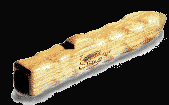
1. Tsé’tóhe hetane Ma’háahnotóá’a éohkêhestohe.
This man, Big Buffalo, he was called.
2. Ééšêhovánee’e.
He is already gone (=dead)
3. Óevemanâhéno éhéstahe.
Scabby Place (Birney), he was from
4. Éohkeméhaenéméne
He used to sing
5. Tâhpenono éohkevé’šenémenénoto
Flutes he sang with them
6. Naa tséhéstovánéménêse séhmé’etanó’tóvôse evóohestoto
And the reason why he sang: when he remembered his relatives
naa máto héva tsééšêhováneehétsese tótseha héva vo’êstane
or someone dead long ago, like, a person
tséhmé’etanó’tóvôse héva hetane naa máto héva kâsovááhe
when he remembered him, maybe a man, or a young man
móhkenémenêhéhe tâhpenonëva.
he would sing by means of (his) flute
7. Naa máto héva hee’haho taasevé’otsétsesêstse
And also maybe (for) his son whenever he went on a journey
móhkêhénemenêhéhe hoéhose.
he would sing on a hill.
8. Móhkenémeotâhohevóhe hee’haho héva taasevé’otsetsêse
He would sing for his son, like, when he went on a
journey
naa máto héva tséhnoo’ôhtséhaa’êse hevóohestoto
tséhmé’etanó’tóvôse
or when they left him, his relatives, when he >
remembered them
é’ôhkêhoó’henonesêstse hoéhose tâhpenonëva
he would be heard singing on a hill with a flute
9. E’ôhkepopêhévenonésesto kâsováaheho naa héva
ma’háhkêseho
hetaneo’o
They would sing well, the young men and, like, the old men, men
héovâtse tséhetó’êhahese
of various ages
10. Éne’éšêhoó’henone tâhpenonëva é’ôhkêhésesto
He was heard singing with a flute, they said
11. Naa vo’êstane tséemé’etanó’tovóvosêstse héva tséméhotovovose
And someone when they remembered (people), like, those they loved
hee’háhévóho hevóohestovevóho é’ôhkeéenêhešenémenésesto hoéhose
their sons, their relatives, they thusly sang on a hill
naa máto héva tsééšêhováneehetsêstse hevóohestovevóho
or those who had died, their relatives
12. Éhóono’otse
He was lonesome
13. Éhoóhenone.
He was heard singing
14. É’ôhkêhenóvénêse
That is what was said
15. Hápó’e móhne’ôhkenêhešenémenêhevóhe tâhpenonëva
Likewise they sang in that way with a flute
16. É’ôhkepopêhévenonésesto hetaneo’o naa kâsováaheho nésta évaveto
They sang well, men, and young men, previously long ago
Elaine Strangeowl
Note 5 :
The verb stem -némene refers to making any kind of music.
Perhaps it originally referred just to singing.
In this text it is not clear when it refers just to making music with a flute or to singing, as well, if it ever includes the latter here
Note 7 :
It seems reasonable that the verb stem -vé’otse initially referred to going on a warpath, as some people still translate it, but was extended to refer to going on a journey, especially a long journey. When Elaine translated this text to English she only translated this verb with the meaning of going on a journey or a long journey
GO TO "SACRED WAYS 3 (Dancing Spirits)"
1. Tsé’tóhe hetane Ma’háahnotóá’a éohkêhestohe.
The verb stem -némene refers to making any kind of music.
It seems reasonable that the verb stem -vé’otse initially referred to going on a warpath, as some people still translate it, but was extended to refer to going on a journey, especially a long journey. When Elaine translated this text to English she only translated this verb with the meaning of going on a journey or a long journey
This man, Big Buffalo, he was called.
2. Ééšêhovánee’e.
He is already gone (=dead)
3. Óevemanâhéno éhéstahe.
Scabby Place (Birney), he was from
4. Éohkeméhaenéméne
He used to sing
5. Tâhpenono éohkevé’šenémenénoto
Flutes he sang with them
6. Naa tséhéstovánéménêse séhmé’etanó’tóvôse evóohestoto
And the reason why he sang: when he remembered his relatives
naa máto héva tsééšêhováneehétsese tótseha héva vo’êstane
or someone dead long ago, like, a person
tséhmé’etanó’tóvôse héva hetane naa máto héva kâsovááhe
when he remembered him, maybe a man, or a young man
móhkenémenêhéhe tâhpenonëva.
he would sing by means of (his) flute
7. Naa máto héva hee’haho taasevé’otsétsesêstse
And also maybe (for) his son whenever he went on a journey
móhkêhénemenêhéhe hoéhose.
he would sing on a hill.
8. Móhkenémeotâhohevóhe hee’haho héva taasevé’otsetsêse
He would sing for his son, like, when he went on a
journey
naa máto héva tséhnoo’ôhtséhaa’êse hevóohestoto
tséhmé’etanó’tóvôse
or when they left him, his relatives, when he >
remembered them
é’ôhkêhoó’henonesêstse hoéhose tâhpenonëva
he would be heard singing on a hill with a flute
9. E’ôhkepopêhévenonésesto kâsováaheho naa héva
ma’háhkêseho
hetaneo’o
They would sing well, the young men and, like, the old men, men
héovâtse tséhetó’êhahese
of various ages
10. Éne’éšêhoó’henone tâhpenonëva é’ôhkêhésesto
He was heard singing with a flute, they said
11. Naa vo’êstane tséemé’etanó’tovóvosêstse héva tséméhotovovose
And someone when they remembered (people), like, those they loved
hee’háhévóho hevóohestovevóho é’ôhkeéenêhešenémenésesto hoéhose
their sons, their relatives, they thusly sang on a hill
naa máto héva tsééšêhováneehetsêstse hevóohestovevóho
or those who had died, their relatives
12. Éhóono’otse
He was lonesome
13. Éhoóhenone.
He was heard singing
14. É’ôhkêhenóvénêse
That is what was said
15. Hápó’e móhne’ôhkenêhešenémenêhevóhe tâhpenonëva
Likewise they sang in that way with a flute
16. É’ôhkepopêhévenonésesto hetaneo’o naa kâsováaheho nésta évaveto
They sang well, men, and young men, previously long ago
Elaine Strangeowl
Note 5 :
Perhaps it originally referred just to singing.
In this text it is not clear when it refers just to making music with a flute or to singing, as well, if it ever includes the latter here
Note 7 :